Discover Your Sports Team’s Hogwarts House Identity!

Super Quiz/YouTube

Have you ever thought about what Hogwarts house your favorite sports team might belong to? 

It’s more than a fun thought experiment—it’s an opportunity to delve into the values and strategies that drive your team. Some clubs exhibit the courageous fierce spirit of Gryffindor, while others showcase the sharp, tactical brilliance of Ravenclaw.

In this exploration, we’ll align sports teams with Hogwarts houses, examining their fundamental characteristics to uncover their true identity. Curious about which house resonates with your team? Read on to discover the house that reflects your team’s dedication, determination, and character.

Gryffindor: Bold, Brave, and Indomitable

Boston Red Sox – The Underdogs Who Evolved into Icons

The Boston Red Sox truly personify the adventurous essence of Gryffindor. They’re not merely a baseball team; they represent a legacy shaped by countless ups and downs. Fans have endured the heartbreak of “The Curse of the Bambino,” only to celebrate the exhilarating turnaround when they captured the 2004 World Series.

What distinguishes the Red Sox is their unyielding resolve. Each game is a contest, and this team has repeatedly demonstrated its capacity to rise against the toughest challenges. Their relentless spirit to fight until the final whistle embodies the Gryffindor ethos—they will never retreat, no matter the adversity they face.

“I want to be the best, not the best of the rest.” – David Ortiz

Ravenclaw: The Brains Behind the Game

New England Patriots – Strategy Trumps Might

When you mention Ravenclaw, words like intelligence, cleverness, and strategic finesse come to mind—and the New England Patriots represent these traits perfectly. Under the guidance of Bill Belichick and the remarkable capabilities of Tom Brady, the Patriots have etched a legacy centered on intelligence, meticulous planning, and groundbreaking approaches.

They don’t triumph through sheer force alone; their victories arise from outsmarting their opponents. Whether through a game-winning maneuver crafted in training or an innovative adjustment made mid-game, the Patriots consistently stay ahead of the curve. Their adaptability, problem-solving skills, and execution embody the quintessential Ravenclaw attributes. Though their plays may not always dazzle, it’s their accuracy and intellect that keep them at the elite level year after year.

Stat: The Patriots have secured 6 Super Bowl titles, solidifying their status as one of the NFL’s most formidable teams.

Hufflepuff: Devoted, Diligent, and Resilient

Cleveland Browns – The Team That Never Gives Up

Now, let’s focus on Hufflepuff. This house epitomizes loyalty, hard work, and perseverance—traits exemplified by the Cleveland Browns for years. Despite facing numerous challenges and extensive rebuilding phases, their fan base remains steadfast, always holding out hope that “next season” will be the one.

It’s not about glamorous wins or star players for the Browns—it’s the community support that shines through every game, season after season, rallying behind a team that signifies hard work and commitment. While they may not currently be championship contenders, their fans’ unwavering faith in their potential marks them as the epitome of Hufflepuff spirit.

“We’re not defined by the past. We’re defined by our loyalty and our passion.” – Common Browns fan sentiment

Slytherin: Ambitious, Cunning, and Tenacious

Chicago Bulls – Ambition at Its Peak

If there’s one team that epitomizes Slytherin, it’s the Chicago Bulls. This franchise is fueled by ambition and an unwavering desire to win at all costs. From Michael Jordan’s fierce competitive spirit to their six NBA championships during the 1990s, the Bulls have established a legacy rooted in excellence.

Slytherin is characterized by cunning and strategic thinking, and the Bulls’ dynasty showcased these qualities. Their capacity to excel in both offensive and defensive plays, their unwillingness to relent, and their relentless drive for success define them as a Slytherin team.

Fun Fact: Michael Jordan famously stated, “I’ve failed over and over and over again in my life. And that is why I succeed.” This mental resilience aligns perfectly with the Slytherin spirit—transforming setbacks into motivation.

The Emotional Connection to Sports Loyalty

Beyond the rivalry and statistics, the essence of sports fandom lies in something deeper: emotion. Just as fans resonate with Hogwarts houses, they forge connections with their teams based on the feelings those teams evoke. The thrill of victory and the heartache of defeat create bonds that feel just as profound as being sorted into one’s house.

  • Gryffindor fans embody bravery and passion. You thrive on the adrenaline rush, those magical instances when your team beats the odds. It’s about standing tall in the face of challenges, just like the Red Sox did in 2004.
  • Ravenclaw fans appreciate the cerebral aspects behind a well-crafted game plan. Watching the Patriots execute a flawless play or shut down an opponent with calculated defense feels akin to witnessing an intricately designed puzzle fall into place. You’re invested in the intellect of the game, not merely the power.
  • Hufflepuff fans are in it for the long haul. Your support for the team isn’t contingent on constant victories; it’s about the principles you cherish: loyalty, perseverance, and hard work. The Cleveland Browns are backed by one of the most devoted fanbases in sports because their supporters believe in their journey—even during tougher times.
  • Slytherin fans thrive on ambition and achievement. Every time your team competes, you anticipate success—because that’s your standard. Your desire is to witness your team excel at the utmost level, reflecting your own ambitions for greatness.

Which Hogwarts house best represents your sports team’s strategy?

Why Does This Matter?

It’s not solely about which house your team belongs to—it’s about how your tie to that team mirrors the qualities of the house you relate to. Whether you bleed Patriots colors or wear Browns gear proudly, sports are more than just records; they represent shared passion, pride, and the strength of a combined identity. So, the next time you rally behind your team, ponder the house they represent. It transcends mere entertainment—it serves as a reminder of why we form such deep connections with the teams we follow. No matter whether your team falls into Gryffindor, Ravenclaw, Hufflepuff, or Slytherin, one thing remains clear: there’s no house like your house.

  1. Sports Headlines

    Mastering NCAA Eligibility: A Guide to Rules, Common Mistakes, and Maintaining Compliance

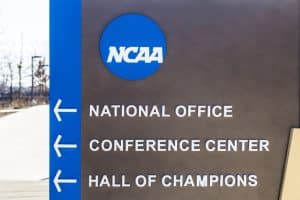
    Indianapolis - Circa March 2017: National Collegiate Athletic Association Headquarters. The NCAA regulates athletic programs of many colleges and universities VI

    Indianapolis - Circa March 2017: National Collegiate Athletic Association Headquarters. The NCAA regulates athletic programs of many colleges and universities VI

    The NCAA ruled over 25,000 athletes ineligible last year. Don’t be one of them.

    Most didn’t break the rules on purpose.

    They just didn’t know about a missing class, a GPA requirement, or an NIL contract violation until it was too late.

    It takes years of effort to get recruited—but one mistake to lose it all.

    Before you risk everything, get the facts on the biggest eligibility mistakes that cost athletes their careers.

    Because your talent won’t matter if you never get to play.

    Grades Matter: Don’t Get Benched Over a GPA

    You can drop 30 points a game, outrun everyone on the field, or throw a ball 80 yards, but if your transcript looks like it was graded with a blindfold, none of that matters.

    The NCAA requires 16 core courses from your high school years. Miss one, and it could wreck your eligibility before you even sign your letter of intent.

    Here’s what you need:

    ✅ 4 years of English – Reading defenses is one thing. Reading books is another. Gotta do both.

    ✅ 3 years of Math (Algebra 1 or higher) – No, your “personalized learning” math app doesn’t count.

    ✅ 2 years of Natural/Physical Science – Yes, biology counts. No, dissecting frogs in 7th grade doesn’t.

    ✅ 2 years of Social Science – “History of Basketball” isn’t a thing. Sorry.

    ✅ 1 additional year of English, Math, or Science – Pick one. Just make sure it’s real.

    ✅ 4 years of additional core courses – This is where you can add in a foreign language or an extra math/science class.

    The GPA Line You Can’t Cross

    • Division I? You need at least a 2.3 GPA in those core classes.
    • Division II? You need a 2.2.

    It’s not rocket science. If your grades dip too low, your NCAA career is over before it starts.

    Test Scores Matter Too

    The NCAA uses a sliding scale—meaning the lower your GPA, the higher your SAT/ACT score needs to be.

    Let’s be real—if test-taking isn’t your thing, focus on keeping your GPA high so you’re not stressing over the SAT.


    The NCAA Hates “Pay to Play.” Stay Eligible by Staying Smart.

    The NCAA loves amateurism. If they even suspect you got paid to play, they will pull your eligibility fast.

    How do athletes get disqualified?

    • Signing a contract with a pro team before college (even if you don’t play a game).
    • Accepting money for playing. Whether it’s overseas, a summer league, or some shady “tournament prize,” it could disqualify you.
    • Taking cash, cars, or gifts from agents, boosters, or sponsors before you’re officially allowed to.

    If someone offers you money because you’re good at sports, stop and ask if it’s legal first.

    Speaking of money…

    NIL: Yes, You Can Get Paid. No, It’s Not a Free-for-All.

    For years, college athletes weren’t allowed to make money from their name, image, or likeness (NIL).

    Now? You can.

    But don’t assume that means you can start cashing checks with zero restrictions.

    Here’s what’s allowed:

    ✅ Brand deals – Energy drinks, clothing lines, car dealerships—if they want to pay you, great.

    ✅ Social media sponsorships – If your TikTok is pulling millions of views, you can finally monetize it without worrying.

    ✅ Paid appearances – Speaking at camps, autograph signings, local sponsorships—all fair game.

    Here’s what can get you in trouble:

    🚫 Taking money directly from your school – NIL is not a salary. You still play for free.

    🚫 “Pay-for-play” deals – A business can’t say, “Sign with this school, and we’ll hand you $100K.” That’s still illegal.

    🚫 Breaking your school’s or state’s NIL rules – Every program has different guidelines. Know them.

    Bottom line? Get advice before signing any NIL deal. A bad contract can get you disqualified.

    The Most Common Ways Athletes Blow Their NCAA Eligibility

    Even the best athletes screw this up all the time.

    Here are the biggest mistakes—and how to avoid them:

    1. Thinking You’ll “Figure It Out Later”

    Too many athletes wait until senior year to check if they meet NCAA rules.

    By then, it’s too late to fix missing courses, bad grades, or amateurism violations.

    Fix: Start checking in 9th or 10th grade. Don’t wait.

    2. Trusting Someone Else to Handle It for You

    Your high school counselor, coach, or parent might be helpful—but they’re not the ones who lose eligibility if something goes wrong.

    Fix: Take control. Read the NCAA rules yourself. Meet with compliance officers.

    3. Ignoring the NCAA Clearinghouse

    To play NCAA sports, you must register with the NCAA Eligibility Center. If you forget, you might as well leave your cleats at home.

    Fix: Register with the Eligibility Center by your junior year.

    4. Getting Too Loose with NIL Deals

    Yeah, you can get paid now. But if your NIL deal breaks NCAA rules, you’re out.

    Fix: Have an advisor or compliance officer check everything before signing.

    Final Thought: The Goal is to Play, Not Watch from the Sidelines

    Every year, athletes with D1 talent lose eligibility over simple mistakes.

    Don’t be one of them.

    ✅ Handle your grades.
    ✅ Register for the NCAA Eligibility Center.
    ✅ Check every NIL deal before signing.
    ✅ Follow amateurism rules.

    Do this, and you’ll be on the field, court, or track—not sitting in the stands wondering what went wrong.

    Continue Reading
  2. Sports Headlines

    The Off-Season Training Mistakes That Are Costing You Playing Time—And How to Fix Them

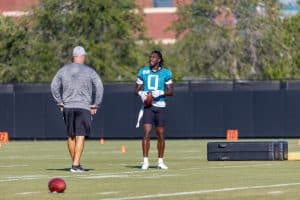
    CALVIN RIDLEY WR JACKSONVILLE JAGUARS TRAINING CAMP AUGUST 9, 2023 MILLER ELECTRIC CENTER JACKSONVILLE FLORIDA

    CALVIN RIDLEY WR JACKSONVILLE JAGUARS TRAINING CAMP AUGUST 9, 2023 MILLER ELECTRIC CENTER JACKSONVILLE FLORIDA

    Ever seen someone show up to preseason looking like they took the summer off?

    Heavy legs. Sloppy footwork. Gassed halfway through drills.

    Meanwhile, the ones who trained with intention? They’re cruising past their teammates, looking stronger and sharper than ever.

    Off-season training isn’t optional—it’s what separates starters from benchwarmers.

    But most athletes get it wrong. They either burn out from overtraining or fall off from lack of structure.

    Which side will you be on?

    Here’s how to make sure you don’t fall behind.

    1. 🏆 Motivation Is Nowhere to Be Found

    Why This Happens:

    During the season, you don’t have a choice. You train, you show up, you compete. The stakes are high, and you can’t afford to slack.

    But in the off-season? The urgency disappears. You tell yourself you’ll “start fresh next week.” And then another week passes. And another.

    Suddenly, that player who was just a little behind you last season is outworking you—and next season, they’ll be taking your minutes.

    How to Fix It:

    • Get Rid of Vague Goals. “Get better” means nothing. Instead, make your goals measurable. Hit 85% on free throws. Cut half a second off your sprint. Add five reps to your max lifts. Small wins build momentum.
    • 🔥 Keep the Competitive Edge. If you need competition to stay engaged, create it. Challenge a teammate to weekly strength tests. Bet push-ups on sprints. Set personal records and try to beat them.
    • 💡 Switch Up Your Training. Bored of the weight room? Try sand sprints, agility ladder drills, or resistance work. Training is training, but monotony kills motivation.

    2. 🏋️ Overtraining Until Your Body Shuts Down

    Why This Happens:

    Some athletes take the off-season too lightly. Others swing too far in the opposite direction—convinced that more is always better.

    They go hard every day, ignoring signs of fatigue. They push through pain, thinking it’s just part of the grind. Then one morning, they wake up with a knee that won’t stop aching or a hamstring that refuses to loosen up.

    At best, they’re limping through workouts. At worst, they’re sidelined before the season even starts.

    How to Fix It:

    • 💤 Respect Recovery Days. Taking time off isn’t weakness—it’s what allows muscles to rebuild and come back stronger. Schedule rest like you schedule training.
    • 🚑 Stop Ignoring Pain. Soreness is normal. Sharp, persistent pain isn’t. The off-season is the time to fix small issues, not let them snowball into injuries.
    • 🏃‍♂️ Make Mobility a Priority. Stretching isn’t optional. Neither is foam rolling. If you’re not actively working on flexibility and joint health, you’re setting yourself up for problems.

    3. 🍽️ Off-Season Eating Becomes a Mess

    Why This Happens:

    Without the structure of team meals and game-day fueling, nutrition falls apart fast.

    Some athletes eat like they’re still burning thousands of calories a day but aren’t training at the same intensity. Others go the opposite route, skipping meals or loading up on junk because, “it’s the off-season.”

    Neither approach sets you up for success.

    How to Fix It:

    • 🥩 Eat for Performance, Not Just Hunger. Just because you’re not in-season doesn’t mean nutrition stops mattering. Your body still needs fuel to recover and improve.
    • Stay on a Routine. If you’re used to eating four balanced meals a day during the season, don’t suddenly start skipping breakfast and living off energy drinks.
    • 💧 Hydration Matters. Off-season or not, dehydration wrecks your recovery, endurance, and muscle function. If your urine isn’t light-colored, you’re already behind.

    4. 🏀 Skills Start to Slip—Fast

    Why This Happens:

    Take a few weeks off, and the muscle memory that made your moves feel automatic? It starts fading.

    Ball-handling feels sloppy. Your shot mechanics are a little off. Footwork slows down.

    Athletes who think they can “just pick it back up” later are the ones struggling to catch up when the season starts.

    How to Fix It:

    • 🎯 Make Skill Work Non-Negotiable. Lifting is great, but don’t neglect sport-specific drills. Ball-handling. Passing. Shooting. Footwork. If it’s part of your game, it needs reps.
    • 📹 Film Yourself. If you can’t get a coach’s feedback, record your sessions. Watching yourself play helps identify weaknesses you might not feel in the moment.
    • 🏆 Find Ways to Compete. If pickup games or scrimmages are available, take them. If not, get creative—set up solo shooting challenges or work on game-speed moves.

    5. 🧠 Mental Burnout Kicks In

    Why This Happens:

    The off-season feels like a no-man’s land. It’s long. It’s repetitive. Without games to break it up, training can feel pointless.

    Some athletes push through, grinding themselves into mental exhaustion. Others check out, avoiding training because they’ve lost the spark.

    Neither approach works.

    How to Fix It:

    • 🏖️ Take Short Mental Resets. A couple of days off won’t ruin you. If training starts to feel like a chore, step back, reset, and come back fresh.
    • 🎨 Find Balance. You’re an athlete, but that’s not all you are. Develop interests outside of training. A strong mind makes a stronger competitor.
    • 📲 Stay Connected to Your Team. Even if you’re training alone, keep in touch with teammates. A simple check-in or shared workout plan keeps the motivation alive.

    6. 🏥 You “Forget” to Rehab Small Injuries

    Why This Happens:

    It’s easy to brush off minor aches when there’s no immediate game on the schedule.

    Ankle still sore from last season? “It’ll be fine.” Shoulder’s been tight for weeks? “Nothing serious.”

    Then, preseason starts, and suddenly, that “minor” problem is a full-blown injury keeping you out.

    How to Fix It:

    • 💊 Handle Small Issues Now. If something’s bothering you, address it. Rest, rehab, and strengthen weak areas before they become season-ending problems.
    • 🏋️‍♂️ Strengthen Supporting Muscles. If the same areas keep getting hurt, there’s likely an imbalance. Fix it now, not after another injury.
    • 🔥 Warm Up Like You Mean It. Skipping warm-ups is the fastest way to get hurt. Prime your body before every session.

    The Off-Season: Where Players Are Made

    The off-season is the ultimate test of discipline. There’s no coach yelling at you to push harder. No fans keeping you accountable.

    It’s just you and the work you’re willing to put in.

    When next season starts, it’ll be obvious who stayed ready and who took shortcuts.

    The question is: which one are you going to be?

    Continue Reading
  3. Sports Headlines

    Stop Posting Boring Game-Day Updates. Here’s What Works Instead.

    Fan hand with smartphone photographing football match. Using mobile phone camera at the stadium

    Fan hand with smartphone photographing football match. Using mobile phone camera at the stadium

    Your game-day posts are getting ignored, and here’s why.

    Posting a score update? Boring.

    Dropping a meme mid-game? Now we’re talking.

    The best teams don’t just play the game—they own the timeline. Here’s how to craft game-day content that gets shared, quoted, and spammed in group chats.

    1. The Warm-Up: Pre-Game Hype Posts

    Before the first whistle blows, the hype should already be at an all-time high. This is your chance to set the tone and get your audience emotionally invested before the action even starts.

    • Countdown graphics. “3 days till game day. That’s 72 hours. 4,320 minutes. 259,200 seconds. But who’s counting?” Let anticipation build up with a series of countdowns leading up to the big moment.
    • Behind-the-scenes footage. Let people see the team’s goofy side. Maybe a TikTok dance battle? Maybe the coach absolutely demolishing a free throw attempt? Show them the personalities behind the players.
    • Throwback highlight reels. Hit ‘em with nostalgia. Bonus points if the video includes dramatic slow-motion and an overused motivational song. It reminds fans why they love the team and keeps them engaged leading up to the game.

    2. The First Quarter: In-Game Action

    When the game kicks off, it’s all about keeping your audience in the moment. Whether they’re in the stands or following from their phone, make sure they feel like they’re part of the action.

    • Live updates that actually feel live. Don’t just post “Touchdown.” Add some drama. “Mack just took off for 45 yards and stiff-armed a dude into another dimension.”
    • Meme reactions. A bad ref call? GIF of someone side-eyeing aggressively. A game-winning play? SpongeBob losing his mind. Social media isn’t just an information hub—it’s a place for shared emotions. Play into that.
    • Behind-the-scenes sideline footage. Show the intensity, the laughter, and the moments that don’t make it to TV. These raw moments bring fans closer to the game.

    3. Halftime: Community Engagement Moves

    By halftime, engagement should still be strong. Keep the momentum going with interactive content that pulls fans into the conversation.

    • Polls: “Who had the best play of the first half?” Let the fans argue in the comments. Engagement = algorithm love.
    • Fan spotlights. Someone painted their entire face in school colors? That’s commitment. Post it.
    • Trivia challenges. “First one to name all five starting players in the comments gets bragging rights.” (And maybe a retweet if you’re feeling generous.)
    • Locker room energy check. A quick clip of the team’s halftime pep talk or a hilarious sideline moment keeps the audience connected and feeling like insiders.

    4. The Final Push: Post-Game Gold

    The game is over, but your social media game is still in play. Post-game content is your victory lap (or your “we’ll get ‘em next time” moment). Either way, it’s crucial.

    • Instant reactions. “What. A. Game.” No need for a long recap—just fuel the conversation.
    • Highlights with a caption that demands engagement. “Which play was your favorite? Wrong answers only.”
    • Player shoutouts. Every athlete loves seeing themselves on the feed. Post that game-winning goal with “MVP energy.”
    • Emotional moments. The tearful senior who just played their last home game. The pure joy of a buzzer-beater. These human moments resonate deeply with fans and spark engagement.

    5. Overtime: Keep the Momentum Going

    Even after the game ends, there’s still content gold to be mined. Keep the conversation alive.

    • Mic’d up moments. If someone on the team said something hilarious during the game, post it. People love candid, real interactions.
    • Fan-generated content. The best game-day content might already be in your DMs. Repost student section madness, custom edits, and that one person who always takes fire game photos.
    • Tease the next game. “Enjoy this win. But we run it back next week.” Keep fans looking forward to the next matchup.

    Great game-day content isn’t just about the game—it’s about making every follower feel like they’re part of the team. So post boldly, drop those spicy captions, and for the love of engagement, never let a big moment go unposted.

    Continue Reading