Riches are cascading through the realm of college athletics. Men’s college basketball witnessed the triumph of the Premier 2023 NBA In-Season Tournament and has chosen to inaugurate a similar event.
Men’s college basketball will debut its inaugural in-season tournament in the autumn of 2024, christened Players Era. This tournament will unfold in the vibrant city of Las Vegas. As per Front Office Sports, the initial edition will comprise eight teams, with plans to expand to 14 in 2025.
Speculation swirls that Duke might be among the participants, as any men’s basketball spectacle is heightened by the inclusion of the renowned brand, especially with the impending debut of Cooper Flagg.
Following a page from the NBA’s playbook, Players Era will also present a financial benefit. Each participating team will be granted $1 million in NIL funds. Moreover, the victorious team will secure an additional $1 million. Institutions will have the autonomy to decide on the allocation of these funds, with the imperative that all monies are funneled towards the players.
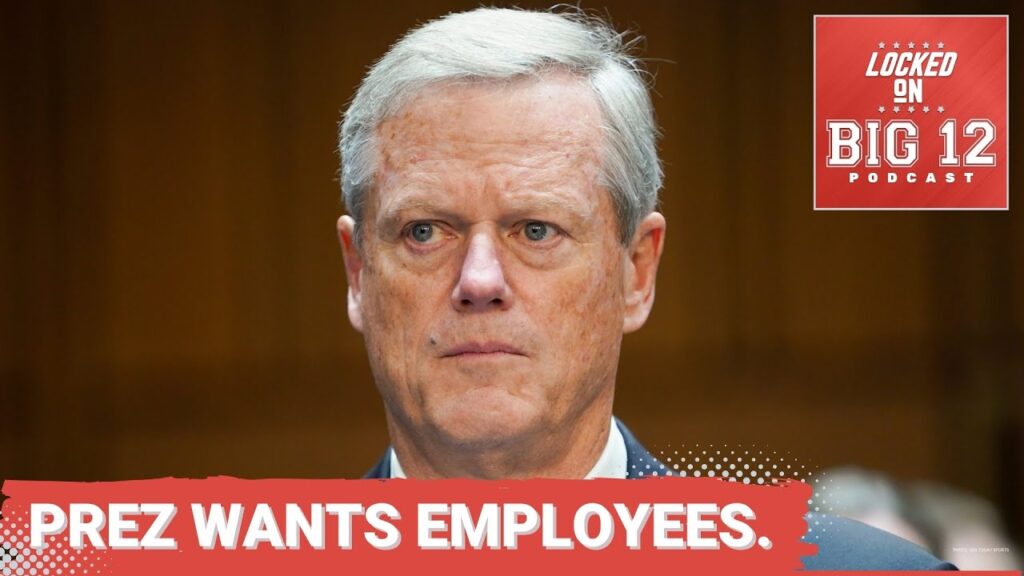
The masking of the prize money under the guise of NIL is a regrettable circumstance. The NCAA recently lost a legal battle regarding antitrust issues and is currently prohibited from enforcing any NIL regulations. NCAA’s President Charlie Baker has mooted the option for schools to engage in a subdivision where funds are directed into a trust for the athletes.
While this new in-season tournament technically corresponds to player compensation through NIL, the legal proceedings and the tournament itself serve as testimony that collegiate sports are swiftly hurdling towards direct recompense for athletes.
Incorporating a cash incentive into a college basketball tourney is the paramount indication that the dawn of a new era in collegiate athletics has arrived. There is no reversing course on this voyage. Lucre is the harbinger of what lies ahead.
Elder statespersons in congress may protest, and Baker and the NCAA may fret as their influence wanes. These athletes toil diligently. They sacrifice weekends for engagements, invest countless hours refining their skills during the week, and exhibit their talents at ticketed events. The emulation of the NBA’s additional tournament idea in college basketball underscores that players are as integral as the coaching staff.
There will undoubtedly be challenges in this new landscape. Sustaining non-revenue-generating athletic programs will necessitate careful deliberation. Some programs may face extinction. Perhaps universities ought to have exercised greater prudence in their financial allocations to sports facilities and coaching staff in revenue-generating sports to circumvent the necessity for player compensation, but that speculation is immaterial.
Collegiate athletics will continue to adapt swiftly in efforts to shield student-athletes from exploitation by commercial interests while striving to maintain a broad range of scholarship sports. There exist seasoned professionals in university athletic departments and conference offices with extensive experience in financial matters. It is plausible that they will discover the optimal pathway for players to receive their long-due compensation.
The resolution will likely involve enhanced financial management, as wealth will eternally remain within the grasp of the players. The Players Era unequivocally signals the arrival of the players’ era in the realm of college sports.